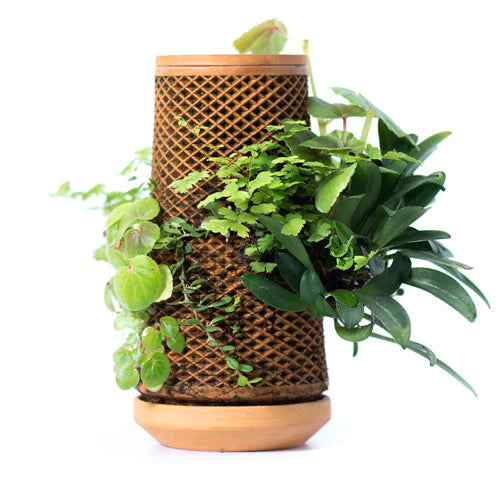
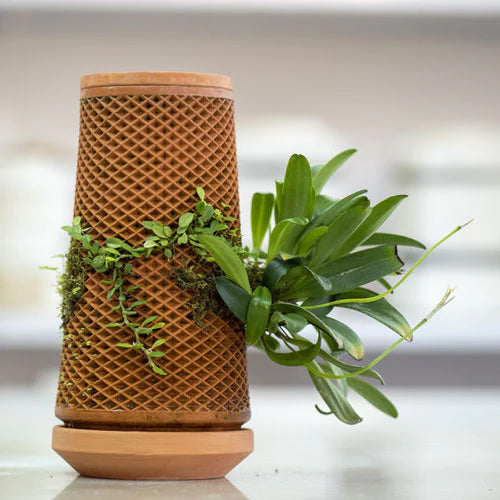
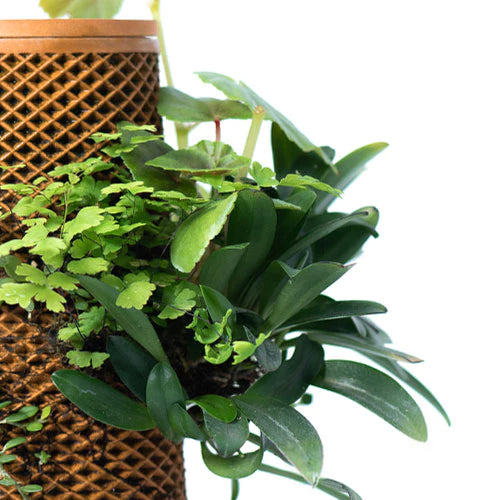
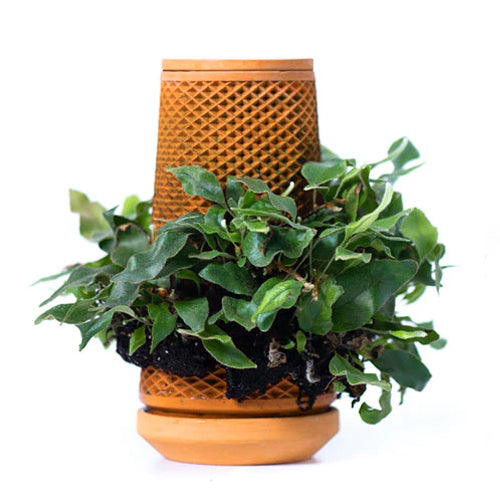
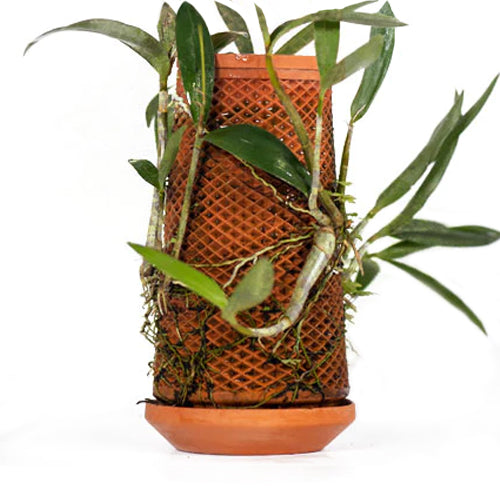
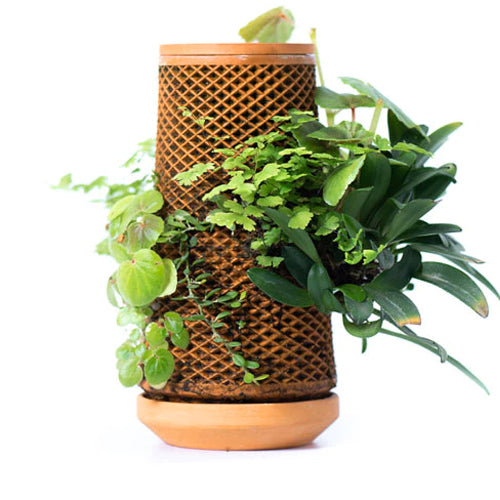
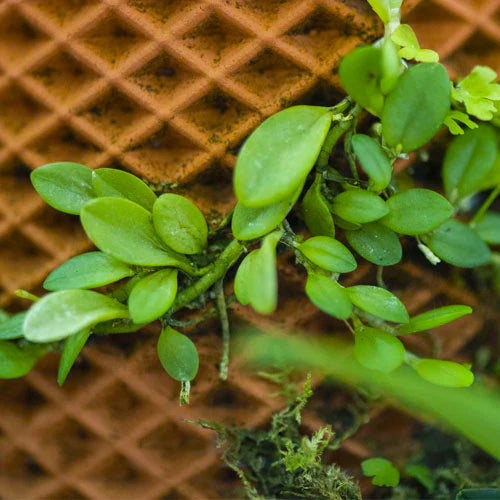
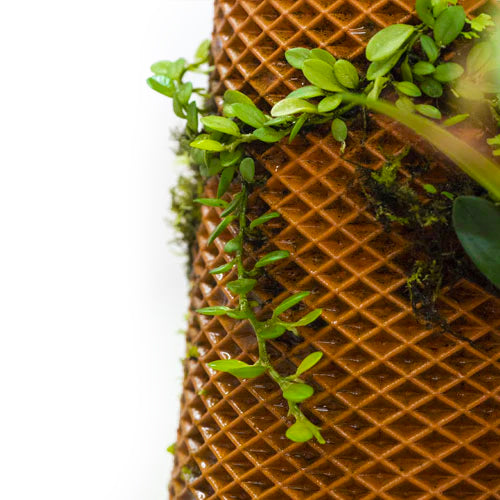
Create your own unique design
Choose your growing level to get all tips
Chia
Salvia hispanica
Growing Method : Sowing 1
Watch the Chia Grow video tutorial for a successful grow.
Important Tip* Use fresh & healthy seeds, fill the vessel with water and maintain a high level for the first week. Lightly spray the top section of seeds to encourage uniform sprouting.
Chia grows quickly but has a short lifespan, making it an ideal, educational experience for beginners or kids. Always use fresh seeds, as old ones won't sprout and may rot.
Placement All Over
Growth Speed 1-2 Weeks
Partial Sun
60ºF (15ºC) to 80ºF (27ºC)
Fertilize Once A Month
Ficus bonsai
Ficus microcarpa
Growing Method : Replanting
Ficus bonsai trees, adaptable to growing on rocks and other trees in nature, thrive on the tevaplanter, making them suitable for beginners. For best results, trim smaller roots during mounting to encourage new growth on the vessel's surface, creating a distinctive appearance as roots wrap around it. Note, these plants need abundant light, including direct sunlight.
Middle to Lower
Growth Speed 2-3 Months
Partial Shade - Bright Light
50ºF (10ºC) to 80ºF (26ºC)
Fertilize Once A Month
Watercress
Rorippa nasturtium-aquaticum
Growing Method : Sowing
Watercress, or cress, is simple to cultivate and visually appealing with its lush sprouts on the vessel. Grown primarily for its quick and striking sprouting process, it offers an educational glimpse into plant development from seeds to maturity, captivating for kids. The sprouting method involves sowing on the tevaplanter, with a complete life cycle spanning 2-3 weeks.
Placement All Over
Growth Speed 1-2 Weeks
Partial Shade - Bright Light
60ºF (15ºC) to 80ºF (26ºC)
Fertilize Every 2-3 Weeks
Dwarf umbrella tree
Schefflera
Growing Method : Replanting
The Shefflera, a large bush/tree, was experimentally grown on the tevaplanter. A small cutting mounted on the vessel quickly adapted, with roots enveloping the tevaplanter and displaying an attractive appearance. Various Shefflera types can be grown using replanting or stem cutting methods after water propagation. This plant thrives in bright light or direct sunlight.
Placement Mid-Planter
Growth Speed 3+ Months
Partial Shade - Bright Light
60ºF (15ºC) to 80ºF (26ºC)
Fertilize Every 2-3 Weeks
Amaranthus
Amaranthus viridis
Growing Method : Sowing
The Aamaranthus are commonly referred to as pigweeds and have very beautiful purple spouts. We grow these plants mainly for sprouting purposes due to its very quick and beautiful process. Its a very nice development to watch the growing cycle from seeds to plants which is also educational to kids. The method used to start sprouting on the tevaplanter is by sowing and the entire life cycle will be around 2-3 weeks
Placement All Over
Growth Speed 1-2 Weeks
Partial Sun
60ºF (15ºC) to 80ºF (27ºC)
Fertilize Once A Month
Grass / tall fescue
Festuca arundinacea
Growing Method : Sowing
To grow grass on a tevaplanter, mix dry seeds with agar-agar to adhere them to the surface. Germination takes about 10 days, and the grass can thrive for years. This easy, cool method is great for beginners.
Placement All Over
Growth Speed 1-2 Weeks
Partial Sun
40ºF (4ºC) to 78ºF (25ºC)
Fertilize every Two Weeks
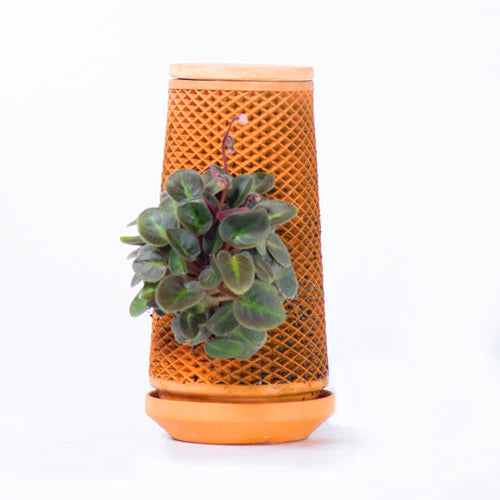
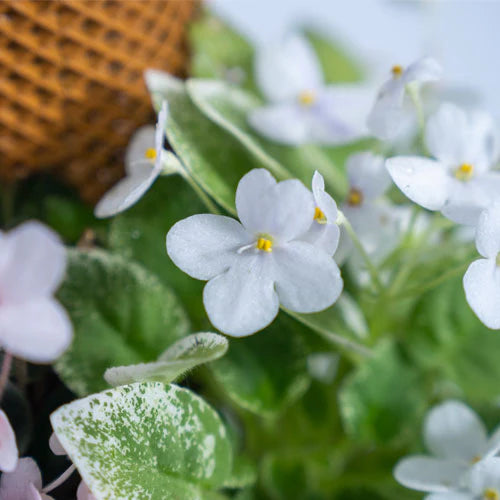
African Violets
Streptocarpus sect. Saintpaulia
Growing Method : Replanting
African violet comes from the high rainforests of East Africa, where it grows in the shade of other plants and the humidity conditions are high. In nature the African violet grows in moist soil and even on rock surfaces. The key to a thriving African violet on the tevaplanter is to keep the surface moist and the leaves dry. Although it is a plant adapted to shade, it is recommended to place in a very bright area without direct sunlight to encourage flowering. It should be fertilized every other week to accelerate growth during the growing season to preserve the color of the leaves and encourage flowering. You can start growing African violets on the tevaplanter by either leaf cuttings (slow process) or replanting.
Placement Mid Section
Growth speed 2-3 months
Bright Light
60ºF (15ºC) to 80ºF (27ºC)
Fertilize Every Other Week
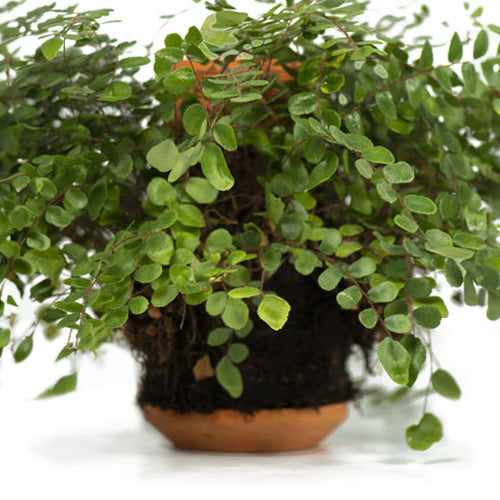
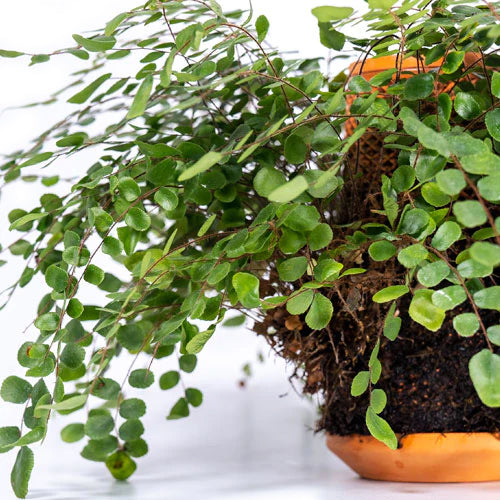
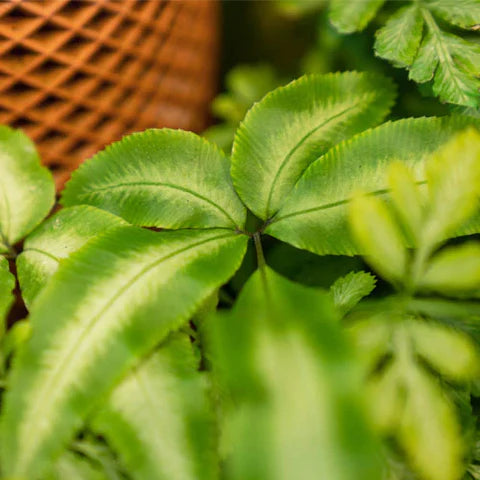
Button fern
Pellaea rotundifolia
Growing Method : Replanting
This ferns roots likes constant moisture therefor we recommend to plant it at the lower/mid part of the vessel and always make sure that the vessel never completely dries out. The first period after replanting is a delicate period and requires patience to see success. The plant takes time to recover from the transition and to get used to its new home. After a few months it will start to grow roots on the surface and will become bigger & stronger.
Placement Mid-Upper
Growth Speed 1+ Years
Partial Shade - Bright Light
60ºF to (15ºC) to 80ºF (26ºC)
Fertilize Every 2-3 Weeks
Lace Flower Vine
Alsobia dianthiflora
Growing Method : Replanting
The Lace flower vine is a creeping plant originally from Central and South America. It is possible to start growing an Alsobia on the tevaplanter with three different methods; replanting, mother plant or cuttings. Cuttings would be the most difficult method to start with. If you choose to use the cutting method, we recommend cutting a long piece which has roots showing. This plant does not need much water and it would be good to let the water level drop, which gives the roots time to dry. This plant has nice white flowers which blooms often in the good lighting condition
Placement All Over
Growth Speed 1-2 Weeks
Partial Sun
60ºF (15ºC) to 80ºF (27ºC)
Fertilize Once A Month
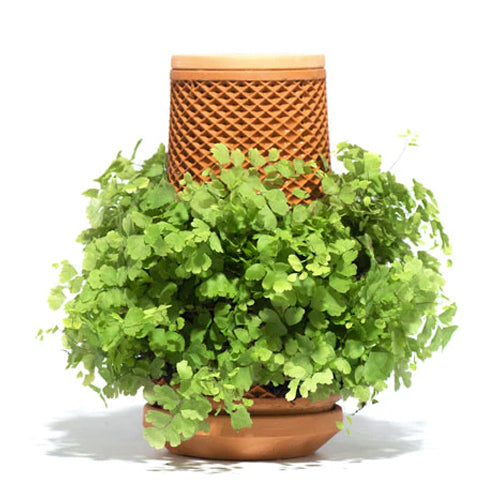
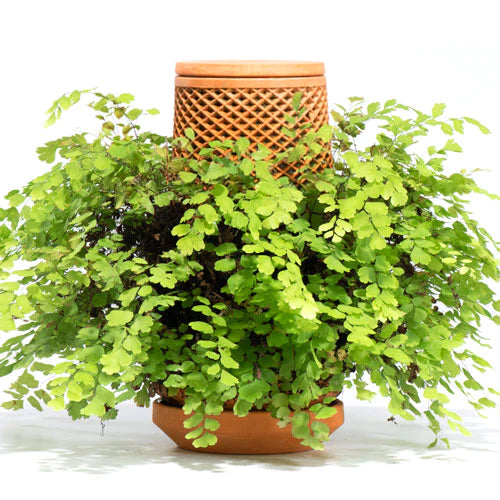
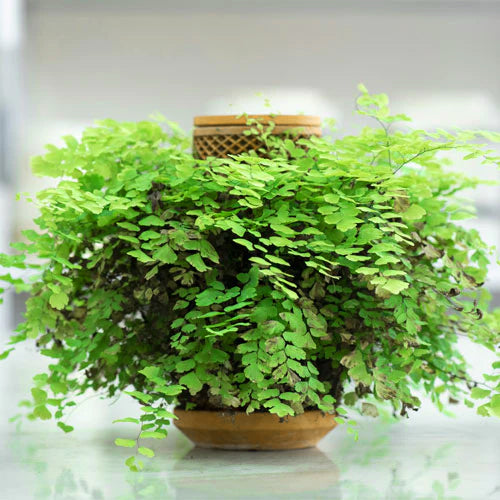
Maidenhair fern
Adiantum raddianum
Growing Method : plant plugs
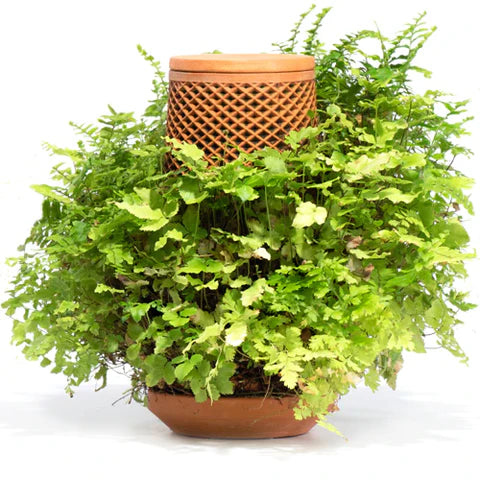
Adiantum is part of a very large family of ferns, they grow all over the world and each one is slightly different. The Adiantum is a very beautiful and beloved houseplants but tend to dry out and die suddenly. Usually the problem is dehydration. In nature it grows near a water source and thrives on its wet surroundings which keeps its roots always moist. We recommend to mount it at the lower part of the tevaplanter vessel and try to keep the water level high without ever letting the tevaplanter vessel dry out.
Placement Low & Mid part
Growth Speed 2-3 Month
Partial shade - Bright light
50ºF (10ºC) to 80ºF (27ºC)
Fertilize Once A Month
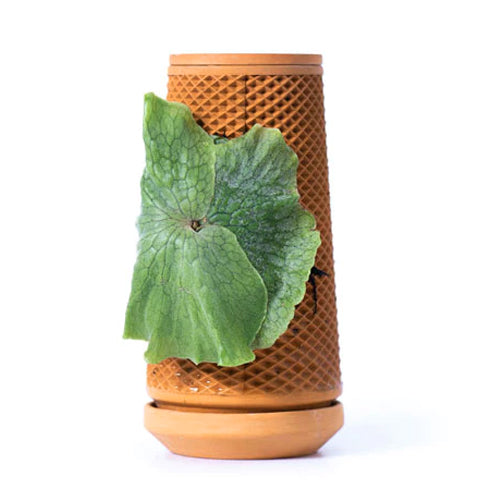
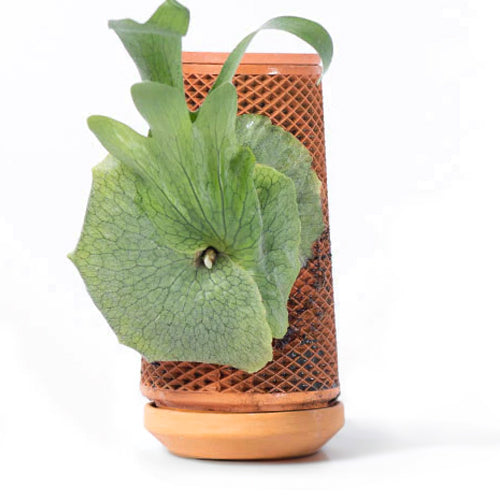
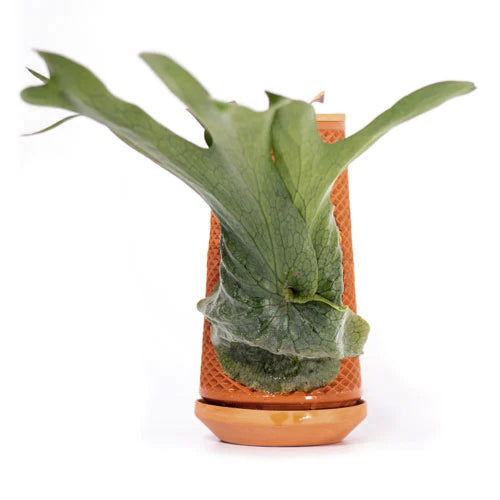
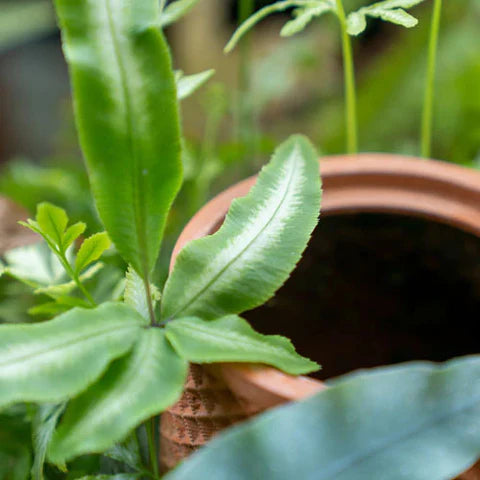
Staghorn Fern
Platycerium superbum
Growing Method : Replanting
The Platycerium superbum comes from the staghorn fern family and is one of the coolest plants! In the wild it grows on tree trunks, they grow into very large plants, much larger than the tevaplanter. We planted a small one as an experiment, it was interesting to see how it grew on the tevaplanter over the years. During the year, the plants have an active period for growth and a stagnant period for rest. During the growing period the plant needs more water and fertilizer, so you should keep in mind to fill the vessel more often.
Placement Mid Section
Growth Speed 3-4 Month
Partial Shade - Bright Light
55ºF (13ºC) to 85ºF (30ºC)
Fertilize Once A Month
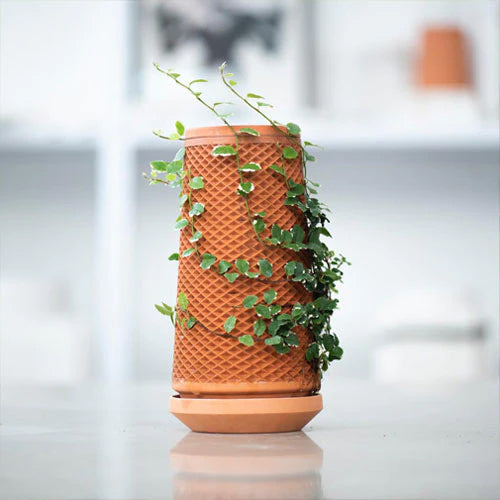
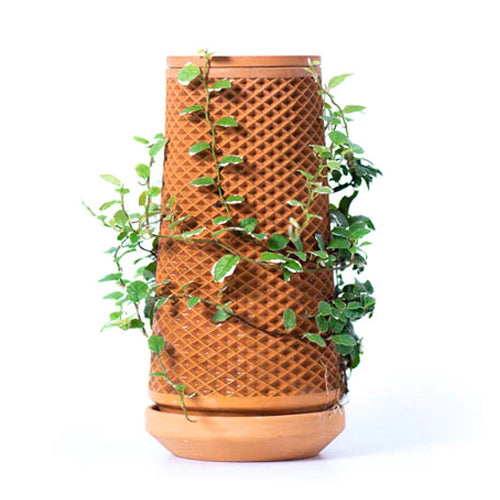
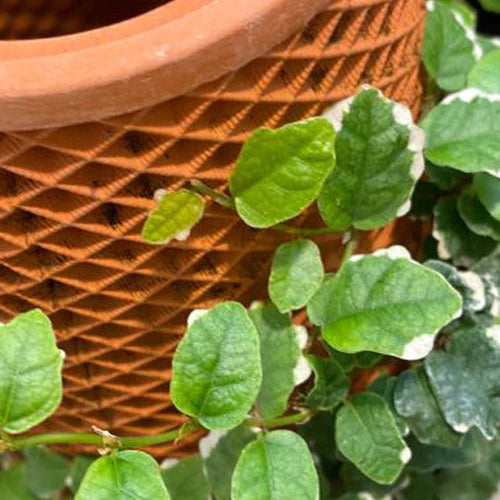
Creeping fig
Ficus pumila
Growing Method : Replanting
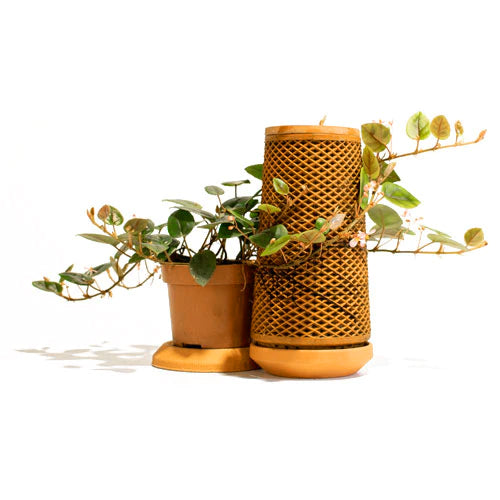
Ficus pumila is a climbing plant which grows roots along the stem. Pumila means dwarf and the name is in reference to the size of the leaves, in fact this plant could cover an entire wall over time and will need pruning on the tevaplanter after a period. The plant originates from East Asia and prefers to grow in a humid environment. From our experience, we recommend to let the water level in the vessel drop to allow roots to dry out. After the plant has taken root, it is even possible to leave the vessel partially full. Grow in a bright and airy place. A really nice and beautiful plant.
Placement Low-Mid part
Growth Speed 1-2 Month
Bright Indirect Light
55ºF (13ºC) to 75ºF (24ºC)
Fertilize Once A Month
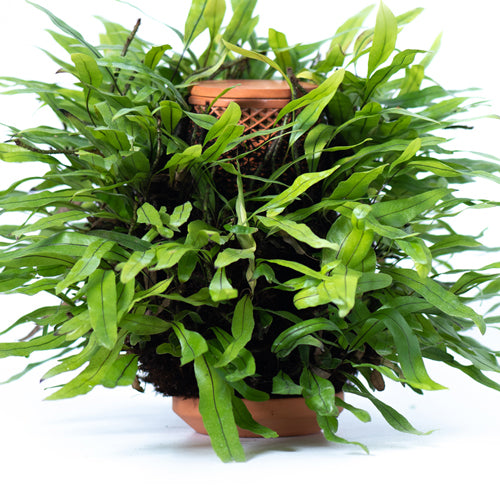
Kangaroo Fern
Microsorum diversifolium
Growing Method : Replanting
This fern is one of our favorite plants, originally grown in Australia this creeping plant grows both in soil and on tree trunks. The Kangaroo fern loves its roots consistently moist, which is why we recommend planting it at the bottom of the tevaplanter and never let the vessel dry. Over time the plant roots will take hold and the plant will start growing upwards covering the tevaplanter completely. The first period after planting is stressfull for the plant and will take longer than a month or two for the plant to get used to its new home and start growing.
Placement Mid - Lower
Growth Speed 2-3 Months
Partial Shade - Bright light
50ºF (10ºC) to 100ºF (37ºC)
Fertilize Once A Month
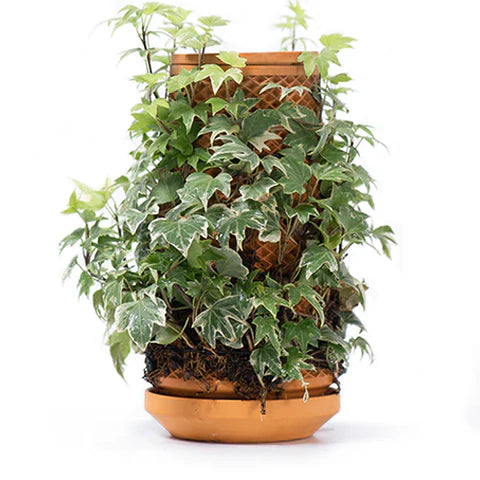
Hedera helix
Hedera helix
Growing Method : Replanting
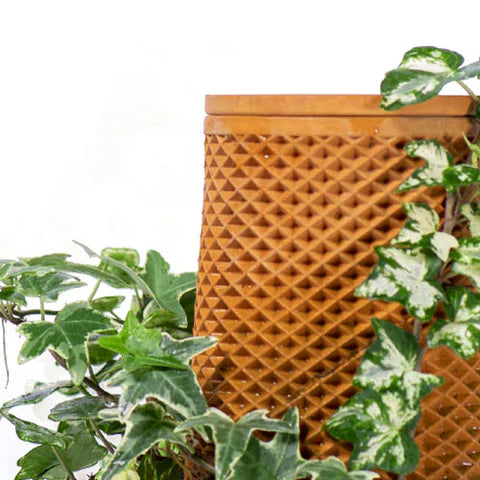
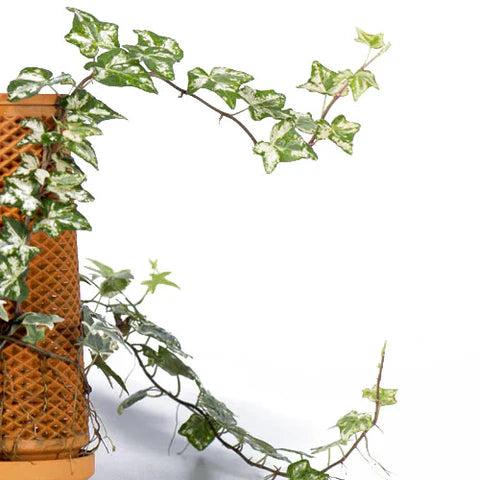
English ivy is a hardy, climbing plant known for its air cleaning qualities. it’s a slow grower but once established can grow pretty quickly. It can handle almost any lighting but would appreciate bright light with a bit of early morning sun. It’s best to place the English ivy in the lower-mid part of the tevaplanter and start growing it with the mother plant method. This plant will grow very large and will need pruning.
Placement Lower-Mid
Growth Speed 2-3 Months
Partial shade -Bright light
50ºF (10ºC) to 80ºF (26ºC)
Fertilize Once A Month
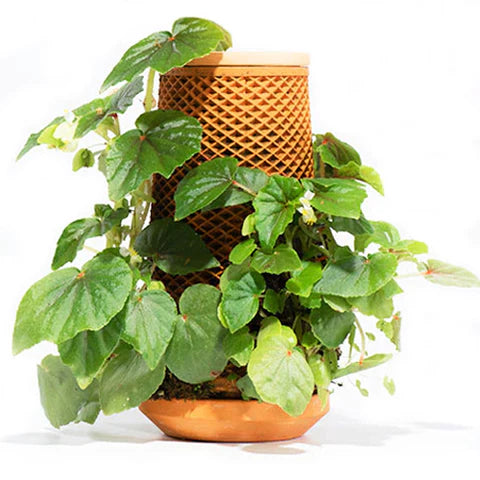
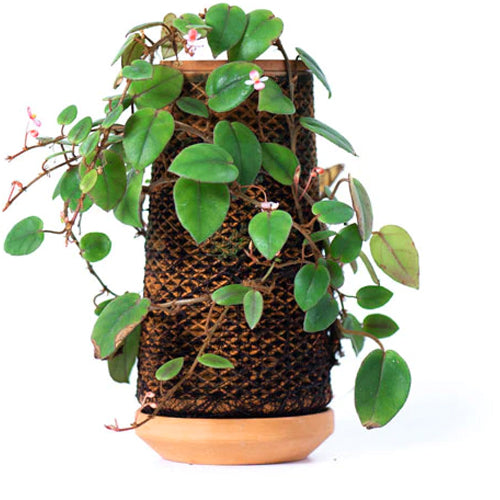
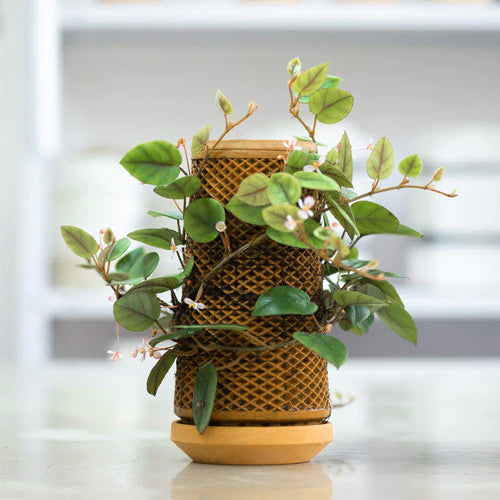
Begonia hirsuta
Growing Method : Replanting
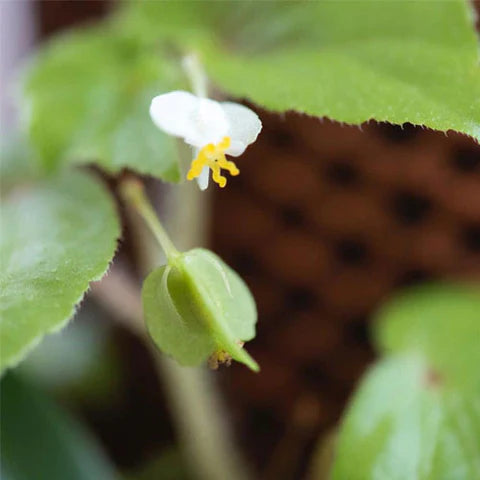
This Begonia hirsuta is not very common and can be hard to find but if you manage to find a few seeds you'll be able to grow an impressive plant. Generally begonias are a very big family of plants, some of them are suitable to grow on the tevaplanter and some not. This specific begonia is very tolerant and it's easily growing, flowering and seeding herself on the tevaplanter. There are 3 methods to start growing: seeds (mixed into fine-soil), replanting and stem cut.
Placement Low & Mid part
Growth Speed 1-2 Month
Bright Light - Partial sun
68ºF (20ºC) to 78ºF (25ºC)
Fertilize Once A Month
Baby Tears
Soleirolia soleirolii
Growing Method : Replanting
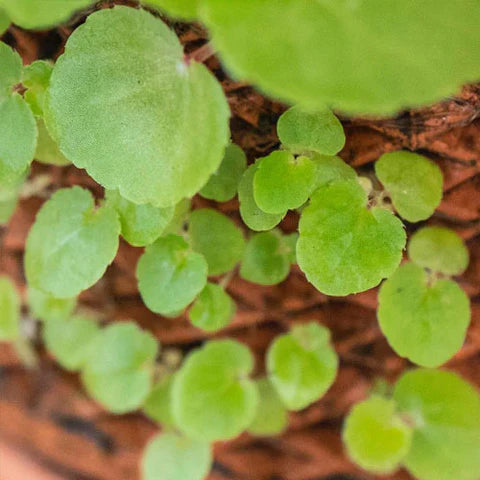
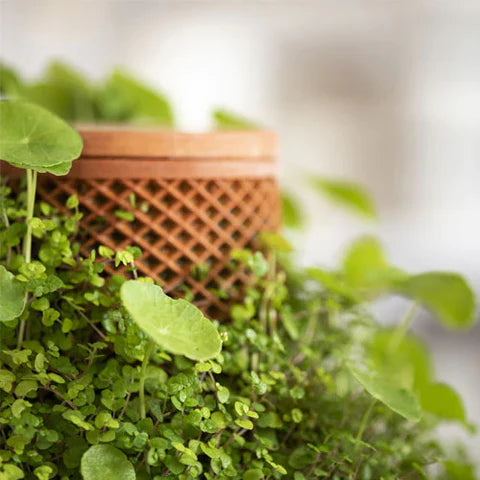
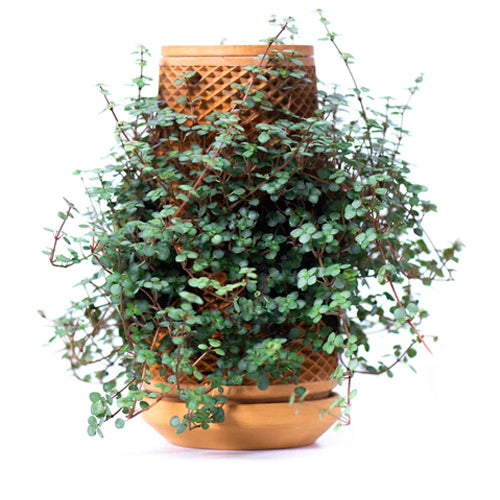
Baby tears enjoys humidity and prefers to grow in a shady environment. It's a beautiful houseplant and a great choice to grow on the tevaplanter. The methods to start growing it is by replanting and the idea is to gently separate the soil from the roots while trying to keep the roots whole and safe. Later, try to flatten the shape of the roots as much as possible and mount it on the moist surface of the tevaplanter. Secure it with rubber bands and keep the tevaplanter moist in a light and airy environment.
Placement Lower-Mid Section
Growth Speed 3-4 Weeks
Partial Shade - Bright Light
50ºF (10ºC) to 70ºF (21ºC)
Fertilize Once A Month
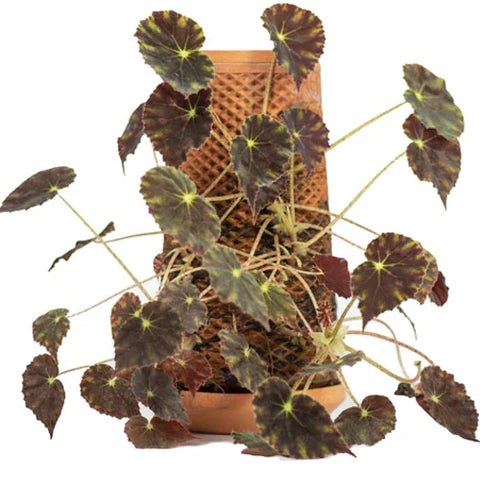
Begonia Tiger Paw
Rhizomatous Begonia
Growing Method : Replanting
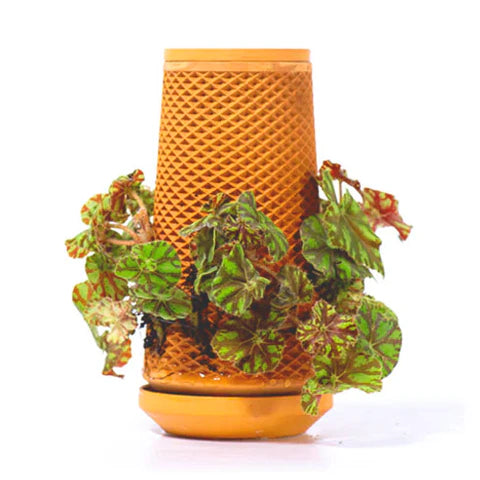
The Tiger paw is a beautiful begonia which you can start growing on your tevaplanter vessel with two methods, replanting and leaf cuttings. Leafe cuttings is an interesting method to start from but can take many months to develop into a mature plant. We recommend to find a small plant and gently replant it on the low-mid part of the vessel. The plant may go into shock for the first month or two after replanting but with time it will acclimate to its new home. Begonias are tropical and sub-tropical plants that usually needs high humidity in the air and a warm environment. Not recommended for beginners.
Placement Mid-Upper
Growth Speed 6+ Months
Partial Shade - Bright Light
60ºF to (15ºC) to 80ºF (26ºC)
Fertilize Every 2-3 Weeks
Birds nest fern
Growing Method : Replanting
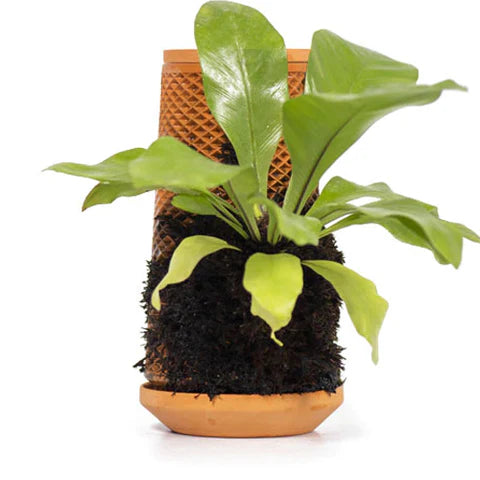
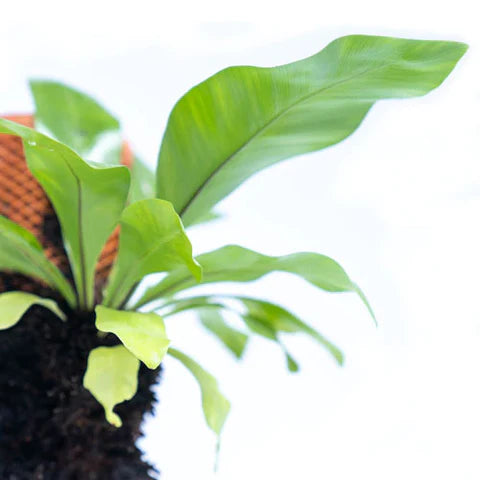
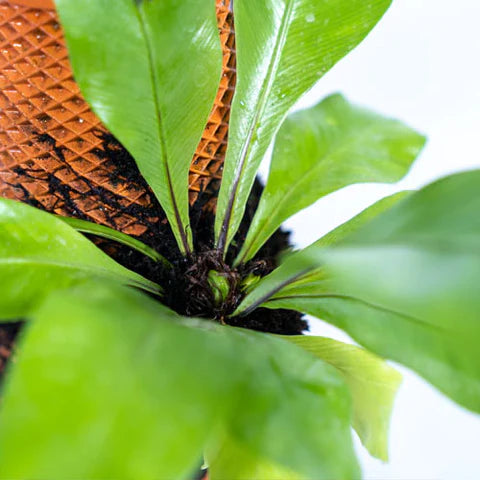
The Bird's Nest Fern, native to tropical regions, thrives on trees in rainforests. Indoors, its leaves reach up to 2 feet, shorter than the 5 feet possible outdoors. Start with a small plug on the tevaplanter, Bird's nest ferns thrive in bright, indirect light. It prefers consistent moisture, so mount it on the lower-mid section and maintain a high water level. It adapts well to the tevaplanter, making it an excellent choice for enthusiasts.
Placement Mid-Upper
Growth Speed 6+ Months
Partial Shade - Bright Light
60ºF to (15ºC) to 80ºF (26ºC)
Fertilize Every 2-3 Weeks
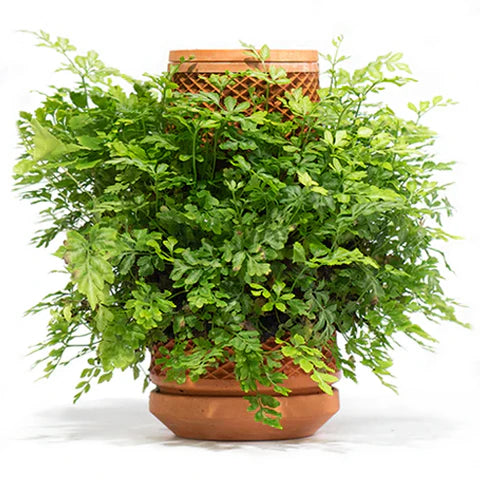
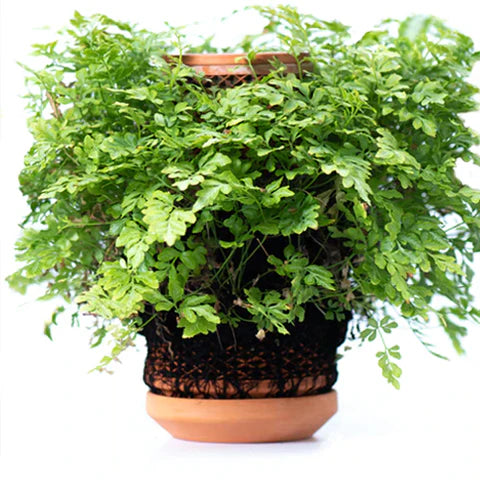
Cretan Brake
Pteris cretica
Growing Method : Replanting
The Cretan brake is an easy to grow plant, native to Europe, Asia and Africa. This ferns roots likes constant moisture therefor we recommend to plant it at the lower/mid part of the vessel and always make sure that the vessel never completely dries out. The first period after planting is a delicate period and requires patience to see success. The plant takes time to recover from the transition and to get used to its new home. After a few months it will start to grow roots on the surface and will become bigger & stronger.
Placement Mid-Upper
Growth Speed 6+ Months
Partial Shade - Bright Light
60ºF to (15ºC) to 80ºF (26ºC)
Fertilize Every 2-3 Weeks
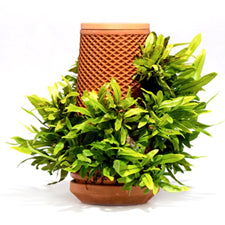
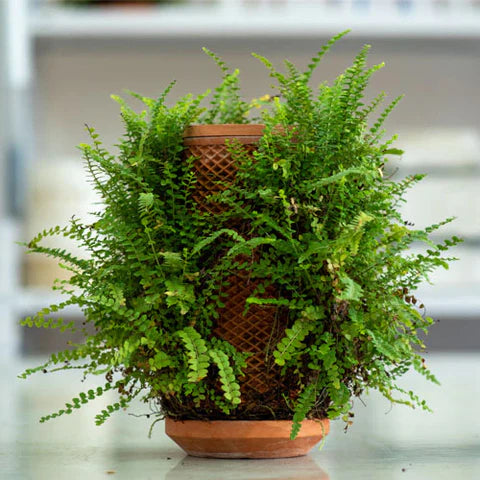
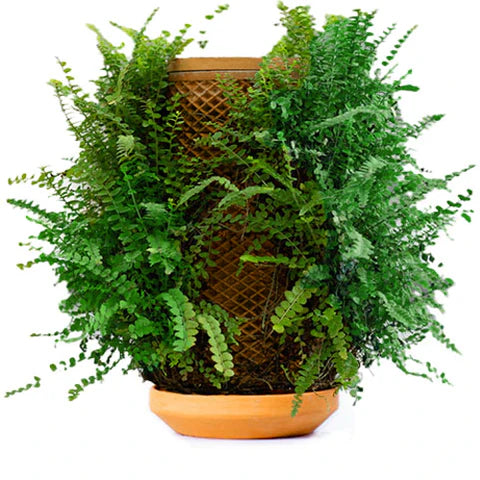
Lemon Button
Nephrolepis cordifolia “Duffii”
Growing Method : Replanting
Nephrolepis cordifolia "Duffii" / Lemon button fern - Suitable for a variety of lighting conditions; from shade to a gentle morning or afternoon sun as well as direct bright light. A lover of moisture and irrigation but can thrive as well in average humidity. Very suitable for planting on the tevaplanter, you can plant a mature plant or several plugs for a lush look in a short amount of time. It is recommended to plant in the central-lower part of the vessel, from where it will climb upwards until it reaches full coverage. To maintain the full and fresh look, make sure to provide your lemon button fern with fertilizer once a month.
Placement Mid-Upper
Growth speed 2-3 months
Bright Light
55ºF to (13ºC) to 80ºF (26ºC)
Fertilize Once A Month
Raphidophora tetraspema
Growing Method : Replanting
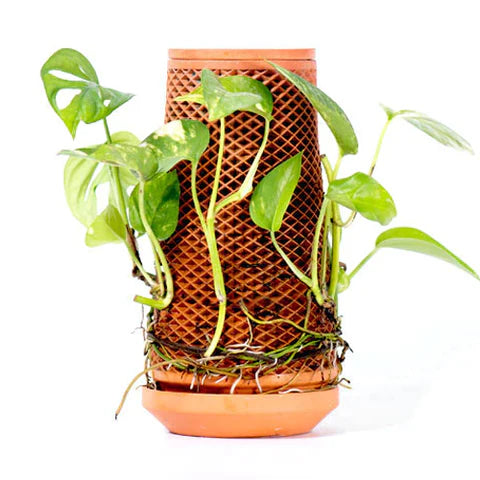
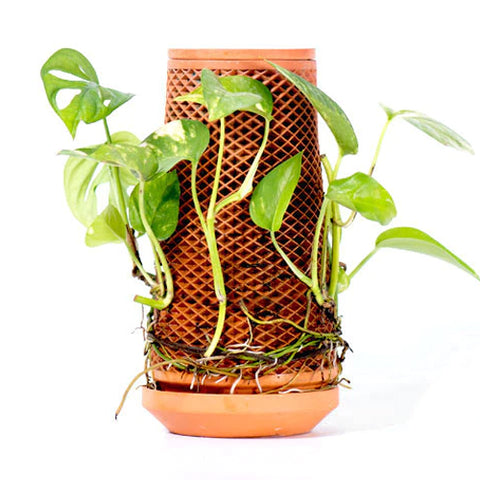
On this tevaplanter we mounted 3 different plants together: Monstera adansonii, Raphidophora tetraspema and a Epipremnum aureum Njoy. The Epipremnum aureum Njoy did not fair so well on the tevaplanter during our testing but the Monstera adansonii & Raphidophora tetraspema took very well to its new home. These plants becomes large with time, much larger in proportion to the tevaplanter which may not be to everyone's liking. These plants enjoy a lot of water and a good amount of bright indirect light. You can start your grow by replanting from a young plant or by stem cuttings.
Placement Mid-Upper
Growth Speed 6+ Months
Partial Shade - Bright Light
60ºF (15ºC) to 80ºF (27ºC)
Fertilize Every 2-3 Weeks
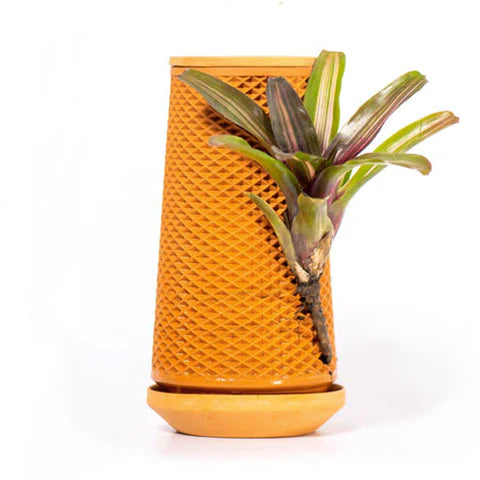
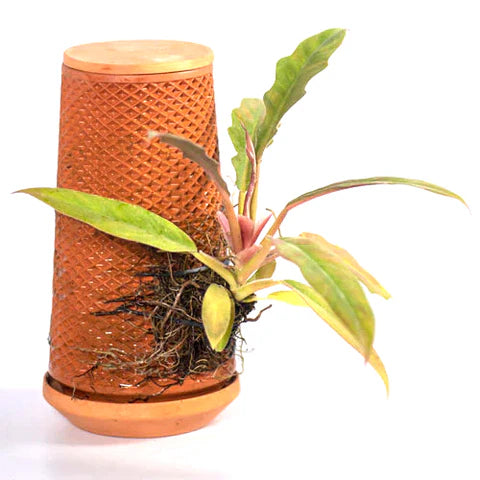
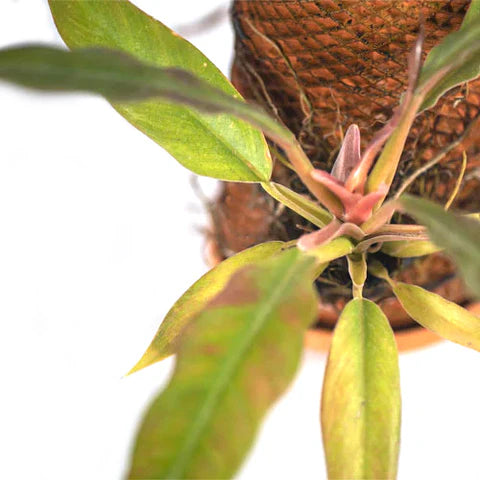
Neoregelia sp
Bromelioideae
Growing Method : Replanting
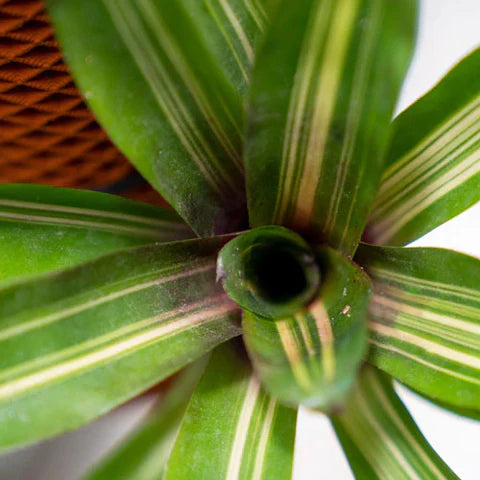
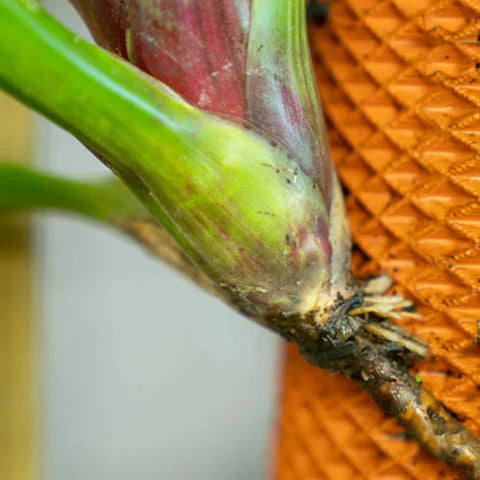
Neoregelias sp is part of the Bromeliad family which comes in a large variety of all kinds of shapes, sizes and colors. The Bromeliad as well as the Neoregelias sp are an epiphytic plant which you can find growing on trees. The Bromeliad usually do not grow in soil which means its roots needs to be exposed to air. They are a very good fit for the tevaplanter, the first period after replanting is the most probelamtic time for the plant. It may take a long time until the plant grows new roots (sometimes it can take even a few months). We recommend to mount the Bromeliad with the cutting method as we saw the best progress but replanting is another great and easy option. *Tip* Choose a plant that is showing the beggining of a new growth, it will root much quicker.
Placement Mid-Upper
Growth Speed 6+ Months
Partial Shade - Bright Light
60ºF to (15ºC) to 80ºF (26ºC)
Fertilize Every 2-3 Weeks
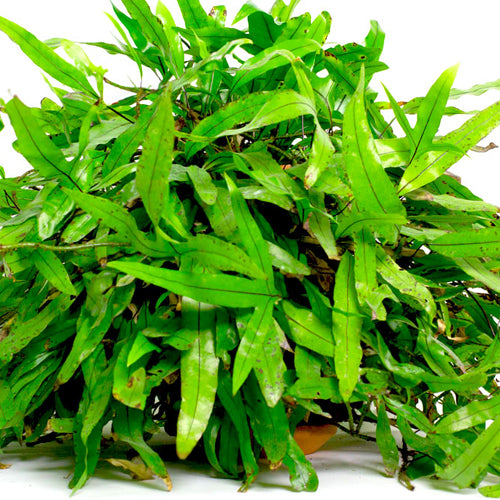
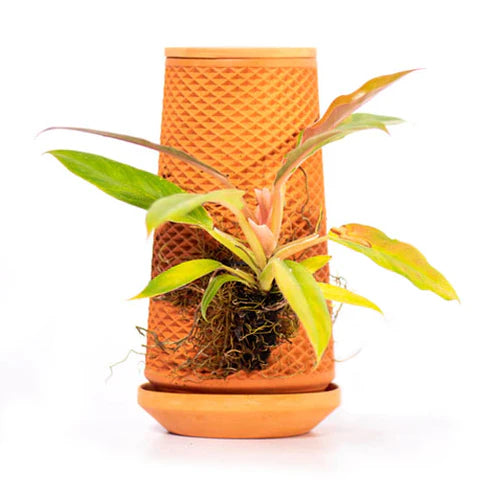
Philodendron narrow
Growing Method : Replanting
We start to grow our philadendrun from a very small plug. Its much easier to start growing from a small plant on the tevaplanter and also when starting with a small plant, it grows relative to the shape of the vessel. Philodendrons are native to South America and can be found in rainforests, swamps and along riverbanks which is why the tevaplanter is a perfect fit. It's an easy to grow plant for indoors, with time it will grow into a large plant and will be a beautiful and unique decor in any living space.
Placement Mid-Upper
Growth Speed 6+ Months
Partial Shade - Bright Light
60ºF (15ºC) to 80ºF (27ºC)
Fertilize Every 2-3 Weeks
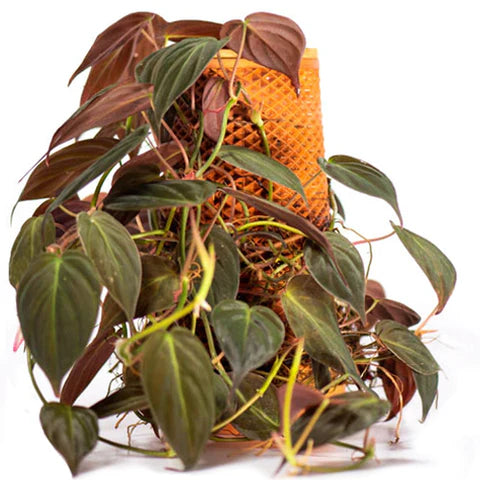
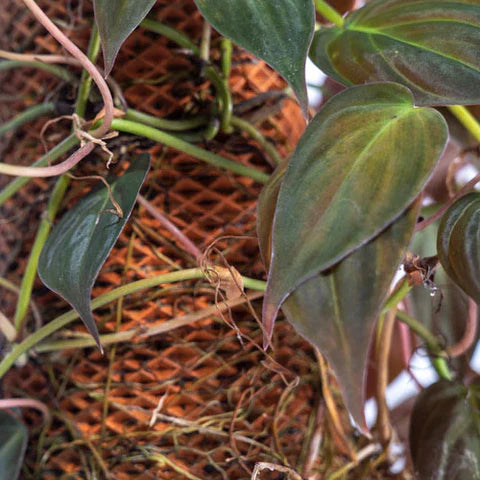
Philodendron micans
Philodendron hederaceum
Growing Method : Replanting
The Philodendron micans is a very beautiful plant which has velvety heart shaped leaves. This plant enjoys bright indirect light as well as high humidity in its environment. You can start growing it on your tevaplanter vessel by three different methods: stem cutting, replanting and mother planting. If you start from stem cuttings, make sure to cut a long enough piece with root tips showing from the hips. The Philodendron micans enjoys a wet surface, so mounting it on the lower/middle section of your vessel would be best for a great and successful growing experience.
Placement Mid-Upper
Growth Speed 6+ Months
Partial Shade - Bright Light
60ºF (15ºC) to 80ºF (27ºC)
Fertilize Every 2-3 Weeks
Rabbit Foot Fern
Davallia Fejeensis
Growing Method : Replanting
The Rabbit foot fern is a creeping fern native to Fiji. It can handle a wide range of temperature from cool to hot. Its a plant that enjoys partial to full shade lighting. There are two methods to start growing the Rabbit foot fern on the Tevaplanter vessel; replanting and cuttings. For the fastest and easiest grow we recommend to mount your Rabbit foot fern with the replanting method. It will take a few months for the plant to establish itself to grab hold and start growing but with time the plant will grow and cover the entire vessel. As with most ferns, it is necessary to not let the vessel completely dry out.
Placement Mid-Upper Section
Growth Speed 6+ Months
Partial Shade - Bright Light
60ºF to (15ºC) or 80ºF (26ºC)
Fertilize Every 2-3 Weeks
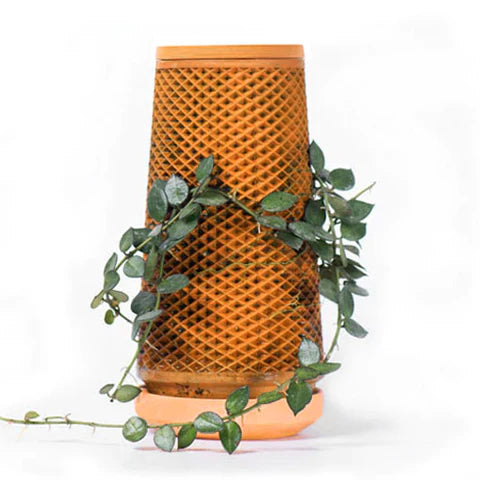
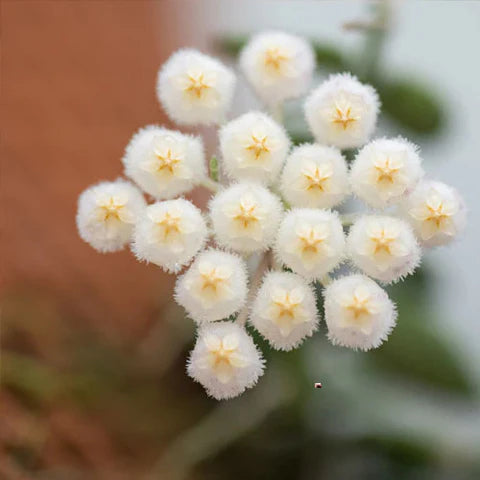
Wax Plant
Hoya lacunosa
Growing Method : Replanting
In the wild Hoya plants grow on the trees, climbing along the stem and taking root in different places. The Hoya family is very diverse, we chose to grow Hoya lacunosa as it has small leaves which suits the shape of the tevaplanter. We recommend to start growing a Hoya plant from cuttings or the mother-plant methods. If you chose to grow through cuttings, make sure to cut a long stem and if there are root tips showing it will be much easier and faster for the plant to grow and take hold of the vessel. Make sure to place the plant in a very lit area with short periods of direct sunlight. It is really easy but requires patience, nature has its own time.
Placement All Over
Growth Speed 2-3 Weeks
Partial Shade-Bright Light
68ºF (20ºC) to 78ºF (25ºC)
Fertilize Every 2 Weeks
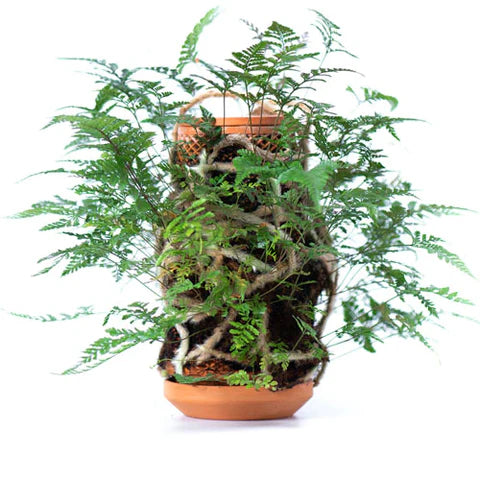
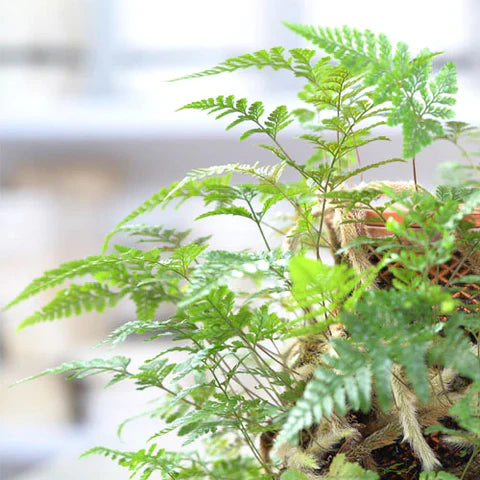
Silver Lace Fern
Pteris Quadriaurita
Growing Method : Replanting
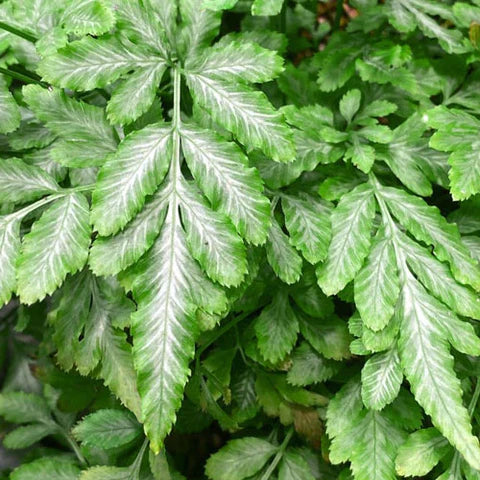
This plant comes from Southeast Asia, in nature it grows in a tropical & sub-tropical environment and is very suitable to grow indoors. This ferns roots likes constant moisture therefor we recommend to plant it at the lower/mid part of the vessel and always make sure that the vessel never completely dries out. The first period after planting is a delicate period and requires patience to see success. The plant takes time to recover from the transition and to get used to its new home. After a few months it will start to grow roots on the surface and will become bigger & stronger.
Placement Mid Section
Growth Speed 1-2 Months
Partial Shade
58ºF (14ºC) to 78ºF (25ºC)
Fertilize Once A Month
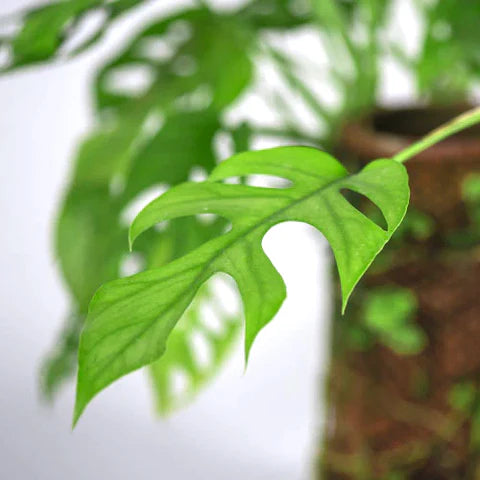
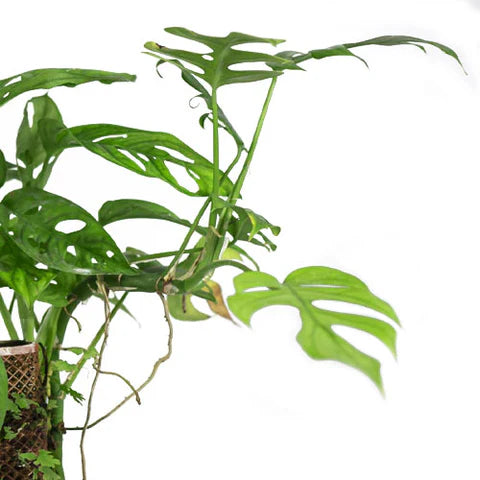
Monstera adansonii
Growing Method : Replanting
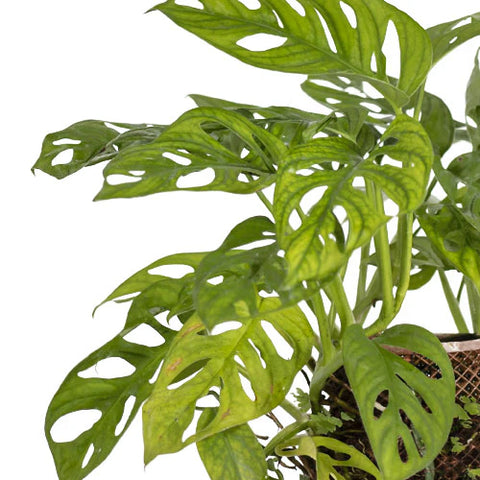
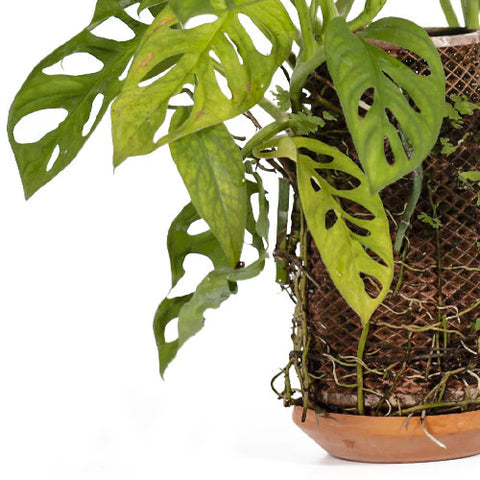
On this tevaplanter we mounted 3 different plants together: Monstera adansonii, Raphidophora tetraspema and a Epipremnum aureum Njoy. The Epipremnum aureum Njoy did not fair so well on the tevaplanter during our testing but the Monstera adansonii & Raphidophora tetraspema took very well to its new home. These plants becomes large with time, much larger in proportion to the tevaplanter which may not be to everyone's liking. These plants enjoy a lot of water and a good amount of bright indirect light. You can start your grow by replanting from a young plant or by stem cuttings.
Placement Mid-Upper
Growth Speed 6+ Months
Partial Shade - Bright Light
60ºF to (15ºC) to 80ºF (26ºC)
Fertilize Every 2-3 Weeks
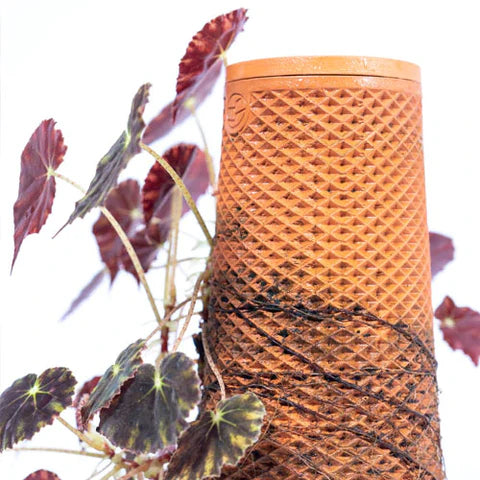
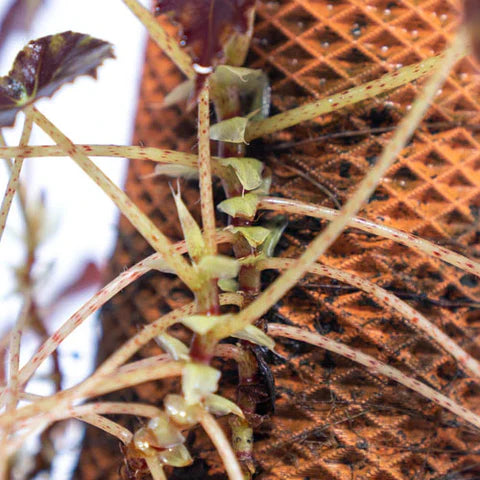
Begonia mazae
Growing Method : Replanting
We grew a few types of Begonias and this Begonia mazae was one of the easiest Begonia for us to grow on the tevaplanter. This type of begonia is more like a miniature plant where it won't grow very big and will grow relatively fast. Its important to give it time in the beginning to recover from the initial replanting shock. It's also important to place the vessel in a well lit area with a bit of direct sunlight.
Placement Mid Section
Growth Speed 6+ Months
Partial Shade-Bright Light
60ºF to (15ºC) to 80ºF (26ºC)
Fertilize Every 2-3 Weeks
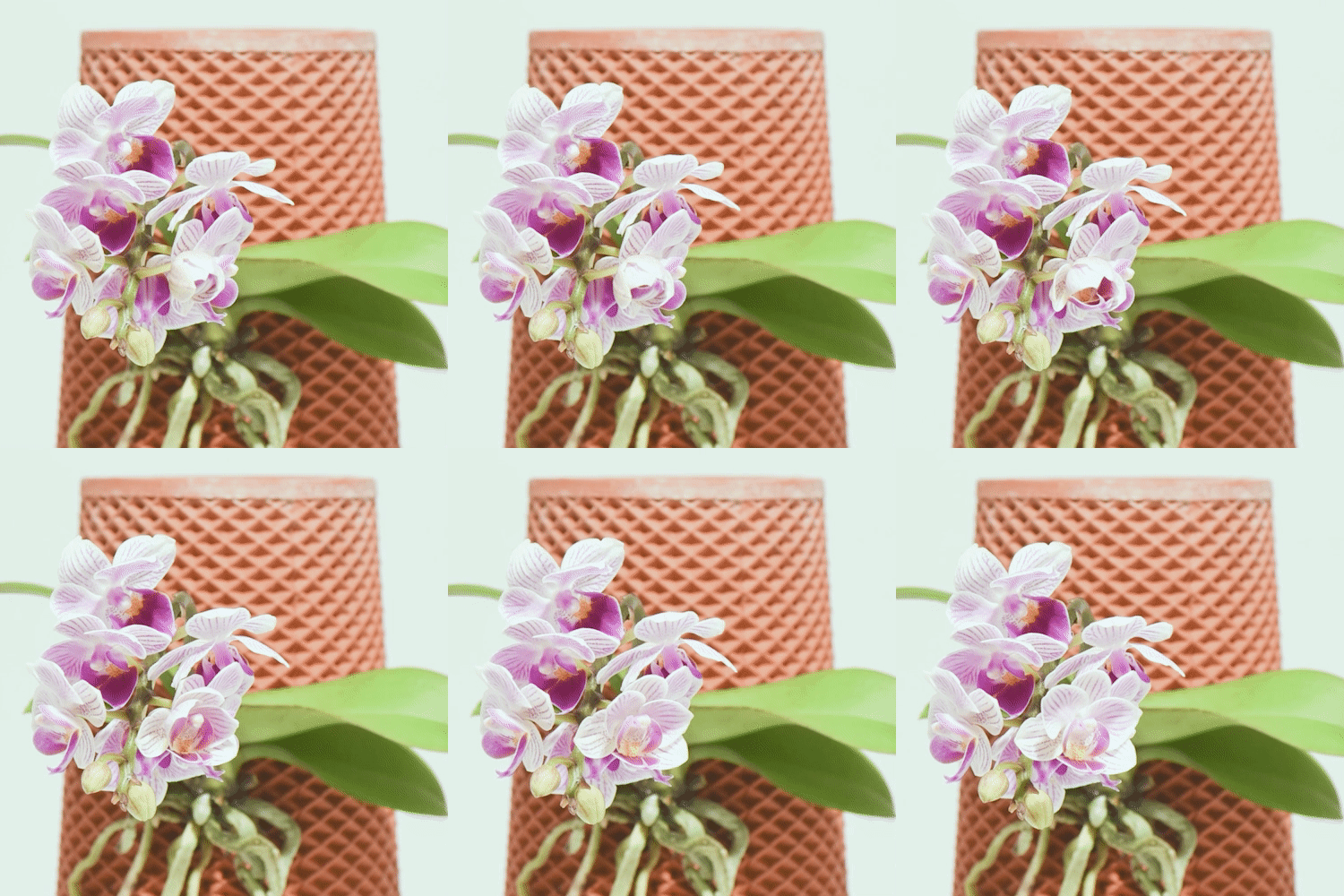
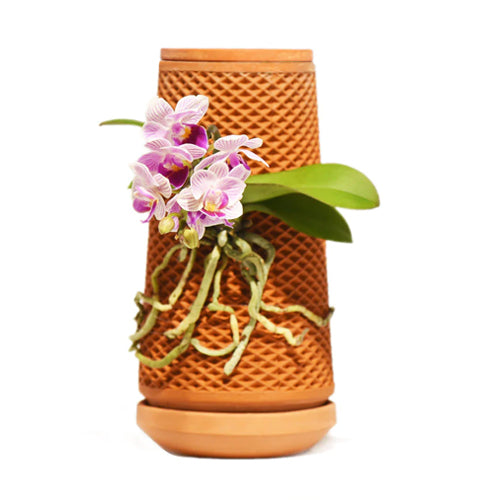
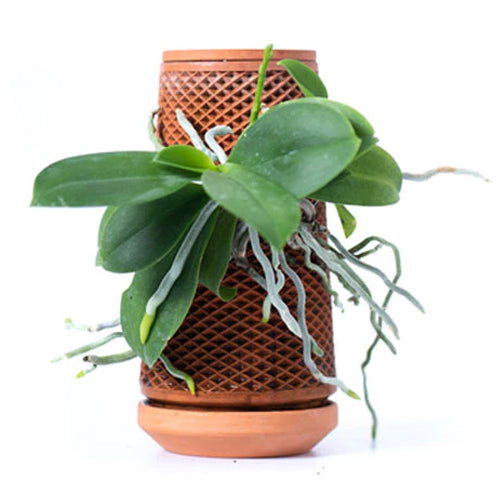
Moth Orchid
Phalaenopsis orchid
Growing Method : Sowing
When selecting a young and healthy Moth Orchid for your tevaplanter, opt for one without a flowering stem. Younger plants without blooms are better able to focus their energy on establishing healthy, active roots on the tevaplanter, rather than on blooming. Should you choose to replant a plant that has a flowering stem, it's advisable to trim the stem at the plant's base. This step optimizes your plant's potential for successful growth on the tevaplanter. Secure the orchid's roots to the mid/top section of the tevaplanter's surface using the provided rubber band.
Fill the tevaplanter halfway to three quarters with filtered water to match the orchid's preference for moderate moisture. Allow the water in the tevaplanter to empty out from time to time, giving the roots periods to dry, which is crucial for preventing root rot. Initially, mist the roots twice daily until they show signs of health and activity, indicating successful acclimation. Position the tevaplanter in bright, indirect light and maintain humidity between 40-70%, possibly using a humidity tray or a clear dome during the early stages of replanting. Keep the orchid in a temperature range of 65-75°F, free from cold drafts, and apply diluted orchid fertilizer monthly.
Placement All Over
Growth Speed 1-2 Weeks
Partial Sun
60ºF (15ºC) to 80ºF (27ºC)
Fertilize Once A Month
Begonia
Begonia schulzei
Growing Method : Replanting
Begonia Schultzei is a creeping Begonia originating from Africa. This plant is especially fond of by terrarium growers. It is not an easy plant to grow at home due to its sensitivity for dry environments. It is recommended to plant this Begonia on the lower-mid part of the vessel, with time it will cover the entire surface. It is recommended to fertilize every other week during its growing period.
Placement Mid-Upper
Growth Speed 6+ Months
Partial Shade - Bright Light
60ºF to (15ºC) to 80ºF (26ºC)
Fertilize Every 2-3 Weeks
Gold Dollar orchid
Paphiopedilum Gold Dollar
Growing Method : Replanting
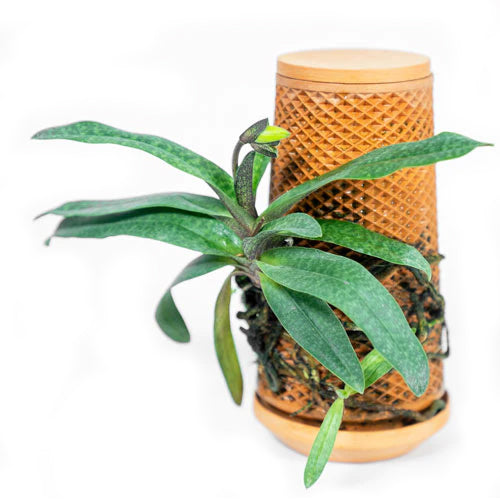
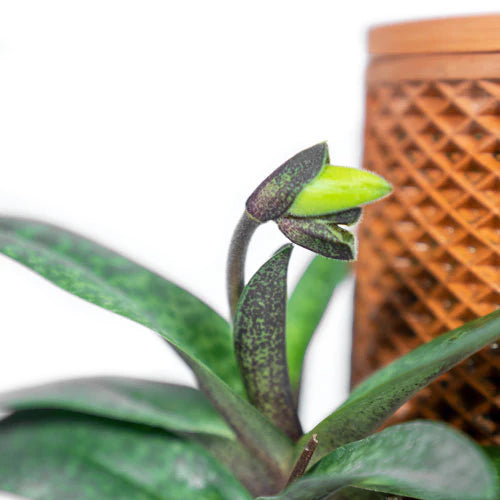
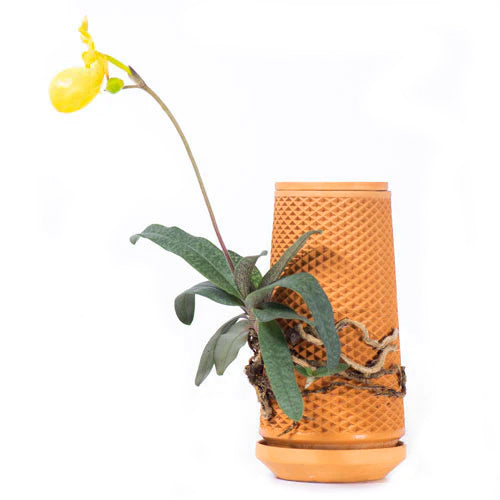
The Paphiopedilum (Lady slipper) orchid is a very beautiful family of orchids. In general, orchids are hard to grow but if you are an orchid enthusiast we recommend to try growing a Paphiopedilum. Out of all the Orchids we grew, we had the best results and easiest time growing the Paphiopedilum on the tevaplanter. Its important to choose a healthy plant with a good root system to improve the success of your growth. *Tip* Choose a plant that is showing the beginning of a new plant growth, when orchids grow a new plant they will start growing new roots as well. This is the only time new roots will grow, otherwise it can take months until the plant will develop a healthy root system.
Placement Mid-Upper
Growth Speed 6+ Months
Partial Shade - Bright Light
60ºF to (15ºC) to 80ºF (26ºC)
Fertilize Every 2-3 Weeks
Masdevallia orchid
Growing Method : Replanting
There are many types of Masdevallia orchids, with flowers in very diverse colors and sizes. Growing a Masdevallia orchid is recommended for expert growers - these orchids roots do not like to dry out but are also sensitive to excessive water, it’s best to mount these orchids on the central-upper part of the vessel and let the water level drop periodically. In terms of lighting, Masdevallia loves bright light without exposure to direct sunlight. It is recommended to fertilize every two weeks during the growing season. The Masdevallia is also sensitive to dry & hot environments, so it is also recommended to spray the leaves with water from time to time.
Placement Mid-upper
Growth Speed 3-4 Months
Partial Shade -Bright Light
50ºF (10ºC) to 80ºF (26ºC)
Fertilize Every 2 Weeks
Lingua fu
Growing Method : Replanting
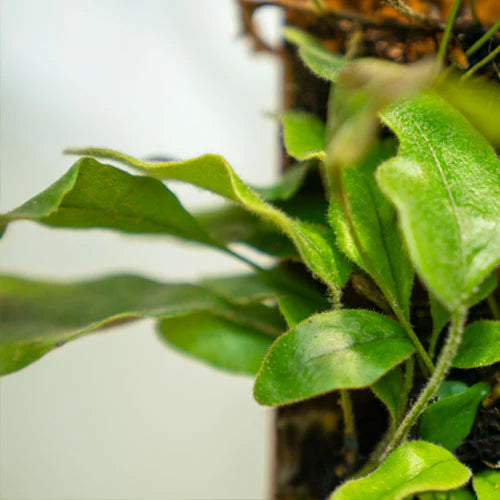
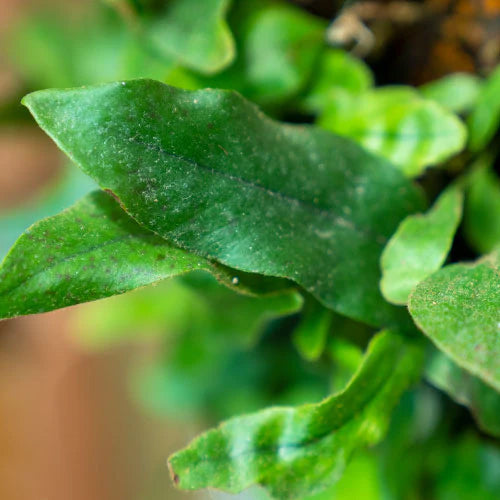
The Lingua fu is a very slow growing creeping fern, native to Asia and requires a more experience grower. This ferns roots likes constant moisture therefor we recommend to plant it at the lower/mid part of the vessel and always make sure that the vessel never completely dries out. The first period after replanting is a delicate period and requires patience to see success. The plant takes time to recover from the transition and to get used to its new home. After a few months it will start to grow roots on the surface and will become bigger & stronger.
Placement Mid-Upper
Growth Speed 6+ Months
Partial shade-Bright light
60ºF to (15ºC) 80ºF (26ºC)
Fertilize every 2-3 Weeks
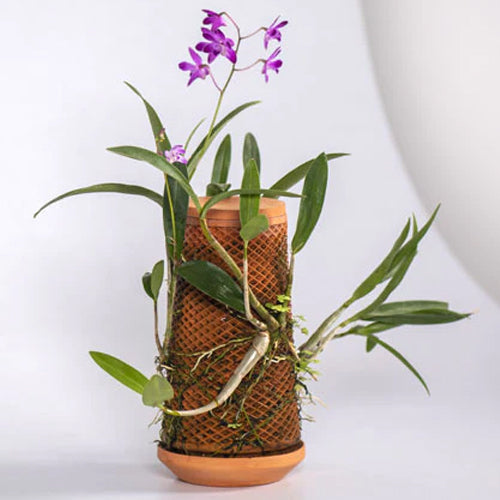
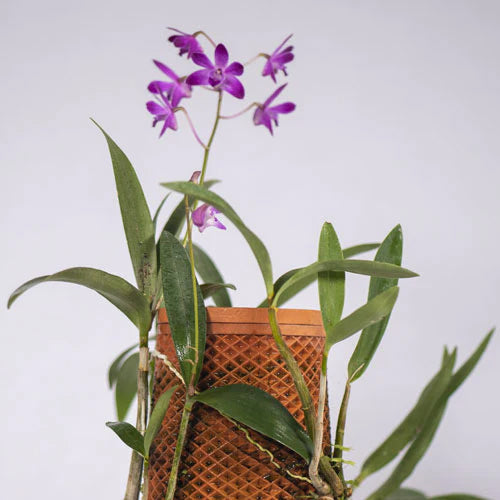
Hooded Orchid
Dendrobium aphyllum
Growing Method : Replanting
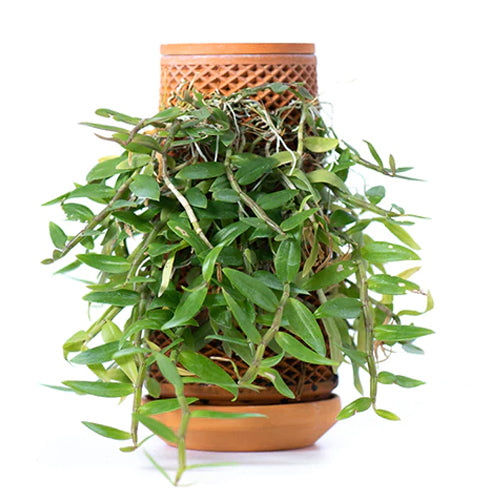
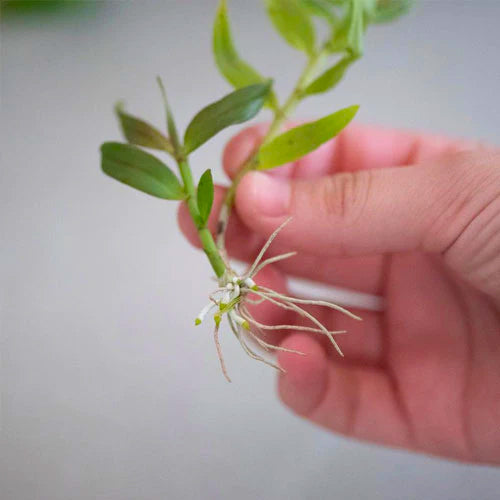
Originating in Australia and unlike most orchids, it is suitable for growing outside of a greenhouse, it loves strong lighting and will be happy to get morning or afternoon sunlight. It is recommended to plant the dendrobium in the upper middle part of the tevaplanter to avoid excessive watering, and although it is an orchid that does not require a greenhouse it is advised to pamper the plant by spraying water to raise the moisture around it. It is recommended to fertilize once every two to three weeks during the growing season. We keep the water level inside the tevaplanter low for most of the time, to let the roots stay moist without being too wet or too dry. It is important to note that epiphytic orchids are slightly more difficult and a slower grow than most other plants, so those with experience or desire to learn about proper care are recommended.
Placement Mid-Upper Section
Growth Speed 3-4 Months
Bright Light - Partial Sun
60ºF (15ºC) to 90ºF (32ºC)
Fertilize Every 2-3 Weeks
Pilea glauca
Pilea libanensis
Growing Method : Replanting
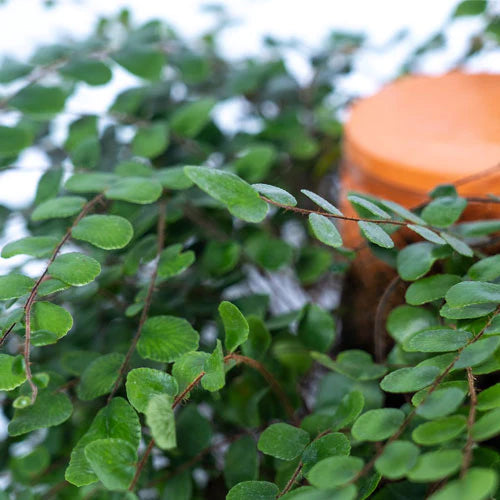
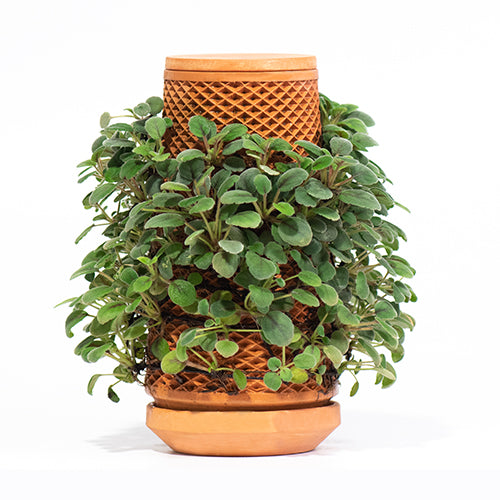
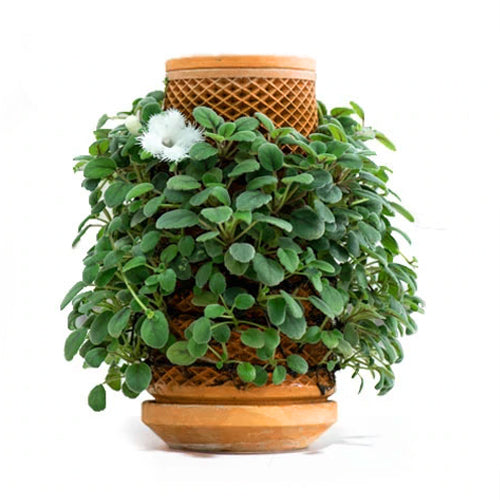
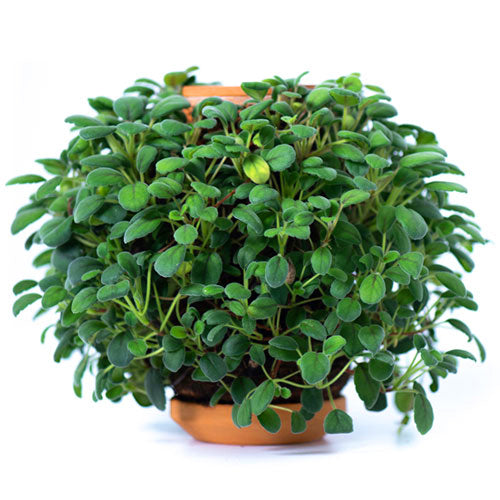
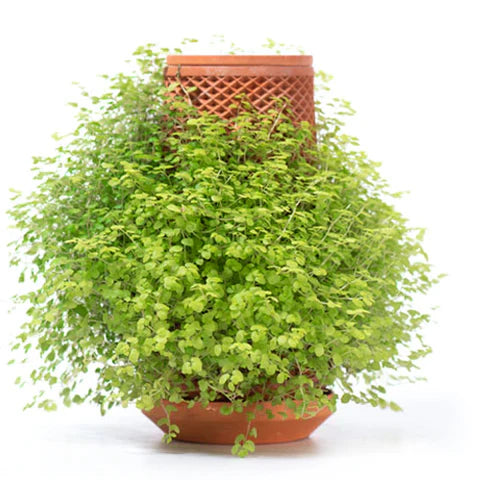
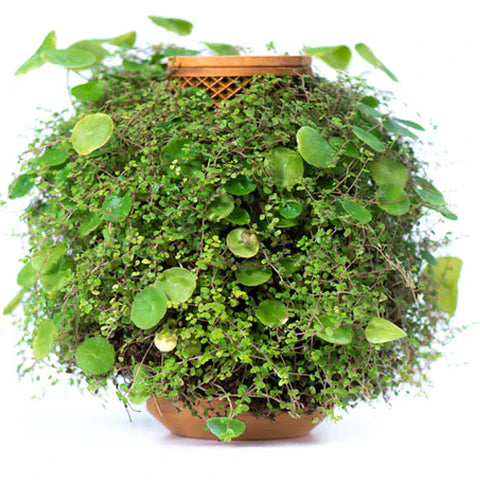
Pilea glauca is an evergreen plant with small, dense leaves that usually grow in hanging pots. In nature the Pilea glauca grows in humid locations, loves strong lighting and can withstand two to three hours of direct sunlight in the morning or evening. It’s advisable to plant on the central-lower part of the tevaplanter. With good lighting conditions the plant will spread and cover most of the vessel. It is best to use the replanting method and place the Pilea glauca all around the vessel by using more than one plant. It is recommended to prune long branches for maintaining a neat and full appearance while encourage new growth.
Placement Low-Mid
Growth speed 2-3 months
Partial shade -bright light
55ºF (13ºC) to 80ºF (26ºC)
Fertilize every 2-3 weeks
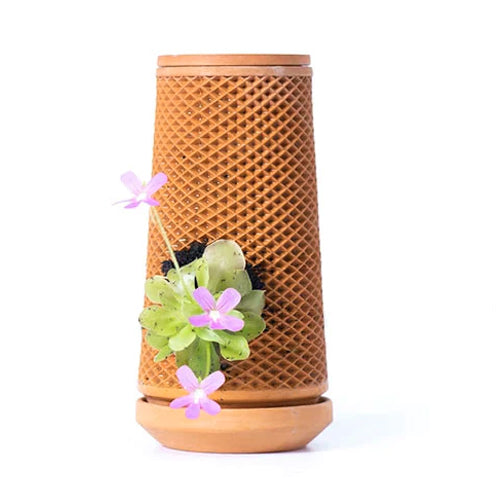
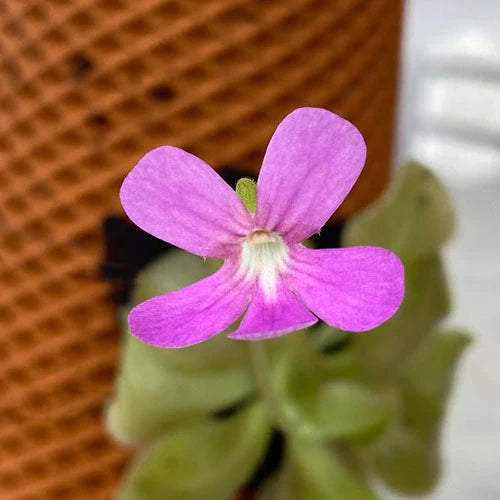
Butterworts
Pinguicula sp
Growing Method : Replanting
The Pinguicula, a carnivorous plant from the northern hemisphere, thrives on moist rocks and tree bases, making it ideal for the tevaplanter. Its sticky leaves catch insects for food, and it blooms almost all year. Plant it in the middle-bottom of the vessel with some soil around the roots to avoid shock and aid growth; no fertilizer needed. The roots are delicate, so secure the plant with fish line until it can firmly attach itself.
Placement low-mid
Growth Speed 2-3 months
Partial Sun
55ºF (13ºC) to 85ºF (30ºC)
Never Fertilize
Dendrobium kingianum
GROWING METHOD
Growing Method : Replanting
Dendrobium kingianum - Pink rock orchid - An orchid native to the east coast of Australia, where it grows near riverbanks on moist rocks. This Orchid is relatively durable, which in its natural environment is also exposed to direct sunlight, dryness and heat - although it will prefer a humid environment, comfortable temperatures and exposure only to gentle morning or afternoon sun. All of these make it a highly recommended plant for growing on the Tevaplanter, simulating a rocky and moist environment. Another fact that makes the kingpin a lovable orchid for growers is its lush blooms throughout spring. It is recommended to mount the plant in the central-lower part of the vessel, and fertilize once every two to three weeks. Keeping the vessel with minimal water (quarter of the vessel filled) at all times is best for this plant. Orchids do not grow roots all year round, so after mounting this Orchid months can pass before you may see new roots growing. Although it is a highly durable orchid that can survive in a variety of conditions, maintaining optimal conditions will help keep the plant beautiful and healthy, and will encourage flowering.
Placement Mid-Upper
Growth Speed 6+ Months
Partial Shade - Bright Light
60ºF to (15ºC) to 80ºF (26ºC)
Fertilize Every 2-3 Weeks
Barbosella orchid
GROWING METHOD
Growing Method : Replanting
Barbosella orchids come from Central and South America and most of them love high humidity, low temperatures and medium light. We have good experience growing the Barbosella orchids on the tevaplanter vessel. It’s recommended to mount them on the mid-upper part of the vessel. This orchid appreciates humid environments but also spraying it from time to time will do the job. It is a very small and slow growing plant which is why we grew the Barbosella on the tevaplanter vessel with other suitable plants, which created a diverse and beautiful result.
Placement Mid-Upper Section
Growth Speed 3-4 Months
Partial Shade
15ºF (-9ºC) to85ºF (30ºC)
Fertilize Every 2 Weeks
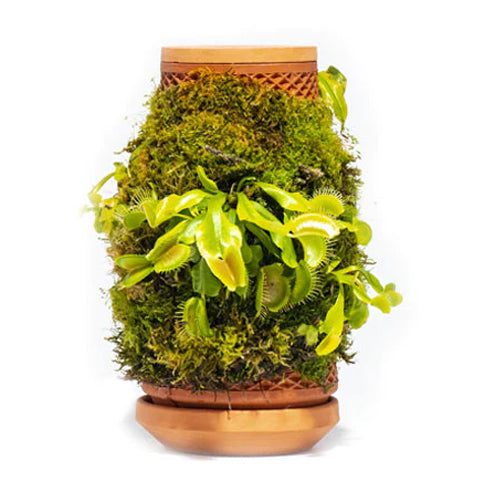
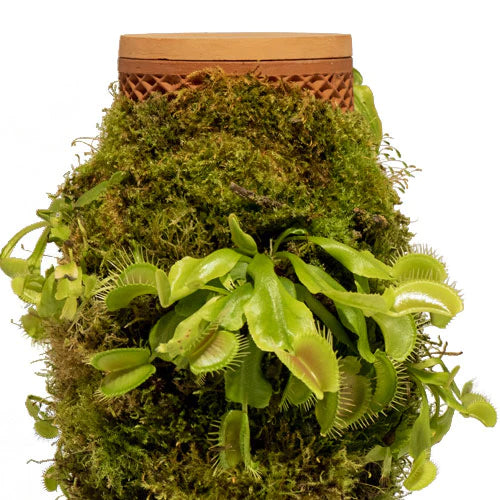
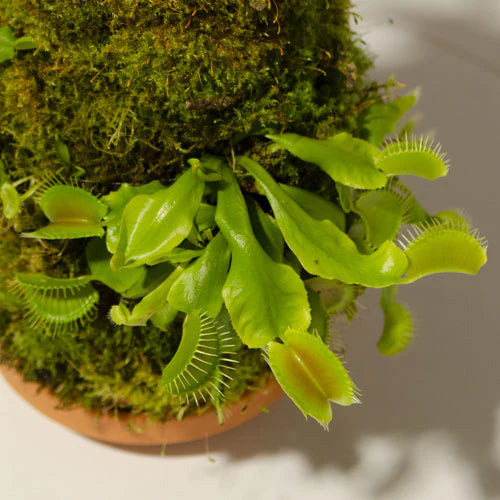
Venus Flytrap
Dionaea muscipula
Growing Method : Replanting
Venus flytrap grows in swamp areas without salts or minerals. In order to supplement the missing minerals the plant evolved to eat bugs with its leaves. The moment a bug sets off the trap in the mouth of the plant, it closes and traps it. Next it will start the digestion process which will help the plant receive the necessary minerals. The recommended method to start growing on the tevaplanter is replanting and it's best to keep a bit of the original soil on the roots and cover with moss (dry or alive) its important to note that this plant does not need fertilizer at all, fertilizer may damage the roots. During winters, this plant needs to go into dormancy and during these periods you must stop watering completely. An experienced grower is recommended.
Placement Mid part
Growth Speed 1-2 Month
Partial sun - Full sun
68ºF (20ºC) to 95ºF (35ºC)
Never Fertilize
Need more advise?
Reach out, we're here to help.
Send Email
Learn the easy way
Explore the different methods of tevaplanter growing
Sowing
Sowing is a method for growing plants from seeds. The process of sowing seeds requires a short preparation before the magic of nature unfolds right before your eye in astonishing details. It is a great visual education on the first stages of a plant's life and suitable for curious children.
Plant Plugs
Plant plugs are young plants in their early stage of development. We really like using plugs because they are small and can be placed all around the Tevaplanter surface to give you a beautiful result right away - and look as if they've been there all along.
Cuttings
The Cutting method allows new plants to grow from a single stem or node taken from an existing plant. The cutting is placed directly on the Tevaplanter, where moisture is continuously supplied to the roots as they form. Once established, the cutting develops into an independent plant. This method works especially well for vining, trailing, and fast-rooting species.
Mother Plant
The Mother plant method keeps new plants attached to the parent, which supplies water and nutrients until they form independent roots. Once strong enough, the connection is cut, creating two plants. This method works best for climbing and creeping varieties that root from joints and stems.
Replanting
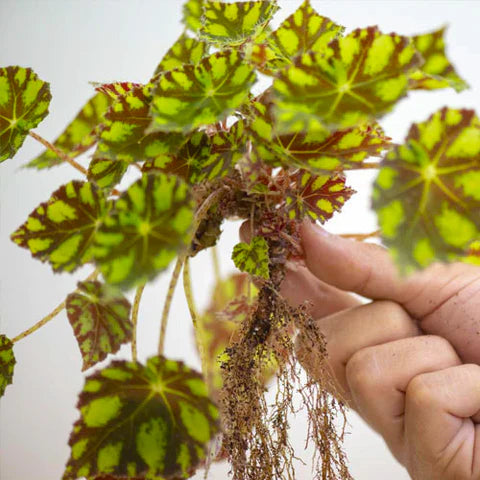
Replanting is a method of transferring a plant from a planter to Tevaplanter. The process requires carefully removing the plant and gently removing soil from the root system, and finally mounting and securing the plant roots onto your Tevaplanter.
Fern Spores
The method for growing ferns from spores on the tevaplanter is to wait for the fern spores to be ripe and then rub or sprinkle them onto the moist tevaplanter surface. It's important to keep the surface moist throughout the entire process. It may take months and even years for spores to grow into a mature fern on the tevaplanter.